

You’ve probably wondered if that perfect .com is worth a four‑ or five‑figure price tag, or if you’re better off sticking with a cheaper alternative. A premium domain can boost trust, direct traffic, and even sales, but it can also drain your budget before you’ve proven your offer. The real question isn’t “Is it expensive?” but “Can it realistically pay for itself?” And that’s where things start to get interesting…
What Is a Premium Domain Name?
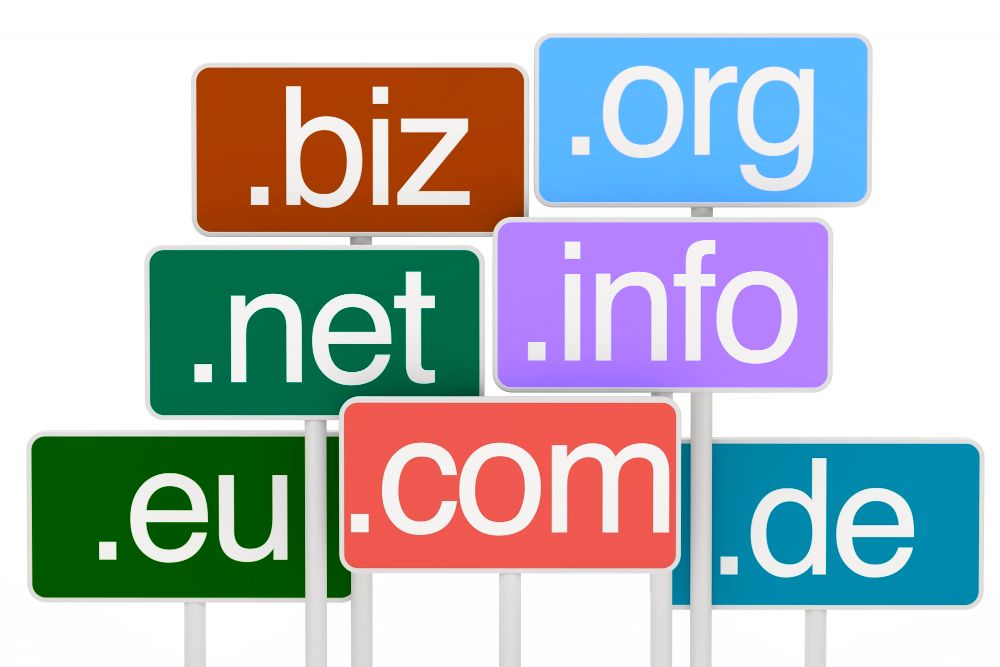
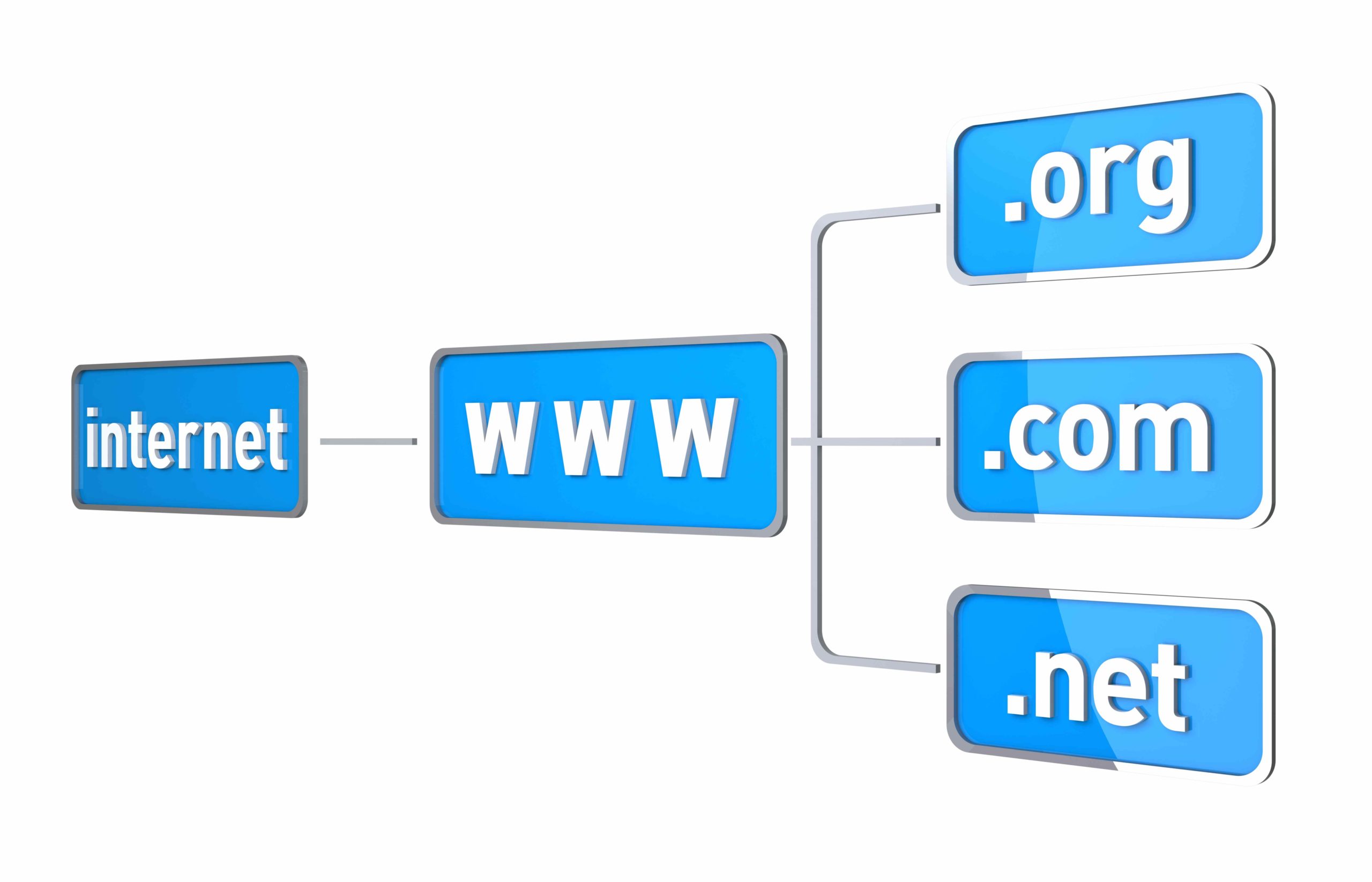
Premium domain names are most often found on established extensions such as .com, as well as on newer but commercially relevant TLDs like .ai, .app, or .health.
Their prices can vary widely, from a few hundred dollars to several million, as seen in notable sales such as CarInsurance.com and Cars.com.
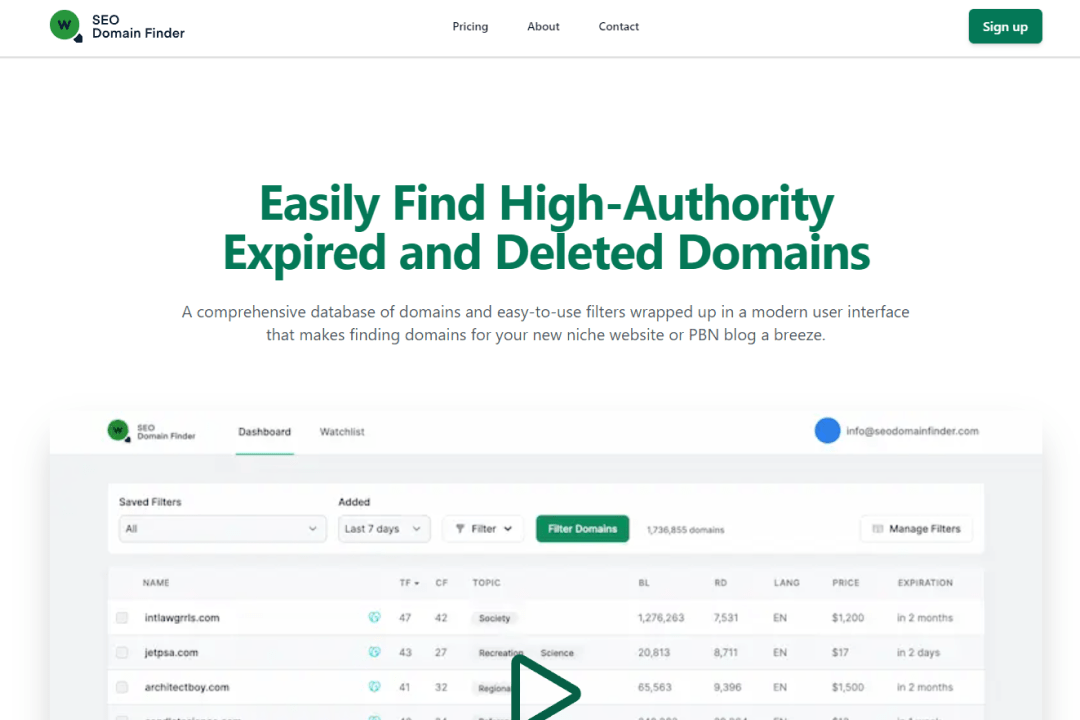
Domain registries may designate certain unregistered names as premium based on perceived market value, while existing owners can offer their domains for resale on aftermarket platforms, including domain marketplaces, auctions, and through specialized brokers.
When Is a Premium Domain Worth It (and Not)?
Now that you know what premium domains are and how they’re sold, the central question is when they justify the additional cost.
They tend to be most valuable when direct navigation, perceived credibility, or enterprise sales are important growth drivers, particularly in trust‑sensitive fields such as finance, legal, or healthcare, where a clear, authoritative domain can reduce friction in the sales process.
Premium domains can also be justified when you anticipate substantial branded or organic search volume and the domain already receives relevant traffic that you can measure or reasonably validate (for example, via historical traffic estimates or search data).
In contrast, if you haven’t yet reached product‑market fit or you have significant budget constraints, investing heavily in a domain is usually not a priority.
In these cases, it’s often more practical to use a strong alternative extension (such as .ai or .health, where appropriate) and to assess the purchase based on a realistic, short‑term return on investment, supported by concrete assumptions about traffic, conversion rates, and revenue.
Benefits of Premium Domains for Small Businesses
Although a premium domain may seem like a discretionary expense, it can serve as a practical asset for small businesses by making it easier for customers to find, trust, and remember the brand. A concise, professional domain name paired with an appropriate top-level domain (such as .com, .ai, or .health) can contribute to perceived credibility and may support higher conversion rates, particularly in fields where users are cautious, such as finance, legal services, or healthcare.
Short, easily recalled domains can encourage direct visits and word-of-mouth referrals, which may reduce reliance on paid advertising over time. In addition, descriptive or keyword-focused domains (for example, CityInjuryLawyer.com) can support search engine optimization and local search visibility, potentially attracting more targeted visitors and reducing average customer acquisition costs.
How Much Do Premium Domains Cost (and Why)?
Sticker shock is common with premium domains because prices can range from under $100 to well into six or seven figures, depending on how desirable the name is. Lower-priced premium domains may start around $20–$100, and many sell for under $2,500. Mid-range prices, roughly $100–$5,000, are typical for solid industry-specific or local keyword domains.
Registries and sellers tend to charge more for short, generic, keyword-rich .com names, as these often attract stronger demand and can have higher perceived commercial value. This demand helps explain high-profile sales such as CarInsurance.com at $49.7 million and the valuation of Cars.com at approximately $872 million (including associated intangible assets).
The final cost a buyer pays can also be influenced by factors such as auction dynamics, broker fees, lease-to-own arrangements, and any bundled services like privacy protection or security features.
How to Estimate Premium Domain ROI
Before paying a premium for a domain, it’s useful to treat the purchase as an investment and estimate its potential return.
First, model potential incremental direct-navigation traffic. Use your core keyword’s search volume as a reference point and apply a conservative type-in rate (for example, a small percentage of monthly searches). Benchmarks such as Adam Garcia’s reported 100,000 organic direct visits can provide context, but your estimate should be based on your own industry, brand awareness, and geography.
Next, estimate the potential impact on conversion rates. Apply a modest conversion-rate increase (e.g., 5–20%) to your existing traffic and average order value to project additional revenue. You can also factor in potential marketing efficiencies, such as lower cost per click, reduced dependence on paid search for branded terms, or improved email and offline response rates, where applicable.
Then, spread the full cost of the domain (purchase price, financing costs, transfer fees, and any related legal or brokerage fees) over a 3–5 year period to calculate an annualized cost.
Finally, compare the annualized cost to your projected annual benefit. Calculate:
- Annual net benefit = (incremental revenue + estimated marketing savings) – annualized domain cost
- ROI % = (annual net benefit ÷ annualized domain cost) × 100
This framework allows you to assess whether the premium domain is likely to meet your required return threshold.
Alternatives When Your Ideal Domain Is Too Pricey
Even if the ideal .com domain is expensive, you can usually move forward without delaying your brand or website launch.
One option is to create a short, pronounceable name or blended term that passes the “Radio Test” (it can be easily said, heard, and spelled). These coined names, similar to brands like Zillow, are often available at standard registration prices and can build recognition over time with consistent marketing.
You can also consider industry‑specific top‑level domains (TLDs), such as .ai, .tech, or .health, when the extension clearly aligns with your sector and audience expectations.
Another approach is to register a moderately priced, descriptive domain that reflects your service or location, which can support local or niche SEO while preserving budget for product development or customer acquisition.
In addition, securing a small set of low‑cost domain variants and matching social media handles can help protect your brand identity.
If you strongly prefer a premium domain, brokered purchases or lease‑to‑own arrangements are sometimes available, allowing you to distribute the cost over time rather than paying the full amount upfront.
How to Safely Buy a Premium Domain
When you purchase a premium domain, approach it as you’d any other high‑value transaction. Verify the current owner, confirm that the domain is eligible for transfer, and structure payment so that both parties are protected.
Review WHOIS and historical ownership records where available, and ensure the seller can unlock the domain and provide the EPP/authorization code. Use a reputable escrow service, such as Escrow.com, so payment is only released after you have confirmed that the domain is in your control.
If you’re buying through a registrar or marketplace, distinguish between registry‑set premium pricing and aftermarket or reseller pricing. Review renewal fees, transfer fees, and privacy or WHOIS protection costs in advance. In complex or high‑value transactions, consider working with an experienced domain broker. For auctions, set a maximum bid beforehand and review all associated fees, timelines for transfer, and any dispute or refund policies before participating.
Protect Your Brand With Extra Domain Extensions
While your primary premium domain carries most of your brand presence, you can reinforce that investment by registering a limited set of additional, strategic extensions. Securing core variants such as .com, .net, and relevant country-code TLDs helps reduce the risk of competitors or domain squatters acquiring confusingly similar names.
Industry-specific TLDs, for example, .ai or .health, can also be useful where they align with your sector. They may support clearer positioning and can make it easier for customers or partners to recognize the nature of your business. Non-primary extensions such as .org, .co, or .io are often redirected to the main site, which keeps traffic consolidated and avoids fragmenting your online presence.
It is also common to register frequent misspellings and hyphenated versions of your core domain. This can help limit typosquatting, phishing attempts, and user confusion. Costs vary by registrar and TLD, but a realistic estimate for multi-TLD coverage is often in the range of $85–$350 per year per domain name, depending on the number and type of extensions you maintain.
Conclusion
A premium domain can be a smart move, but only when the numbers back it up. If it boosts direct traffic, trust, and conversions enough to beat its 3–5 year cost, it’s worth serious consideration. Run the ROI math, compare alternatives, and don’t rush just because a name “feels” perfect. When you do buy, use secure services and protect your brand with key extensions so your investment keeps paying off as you grow.